

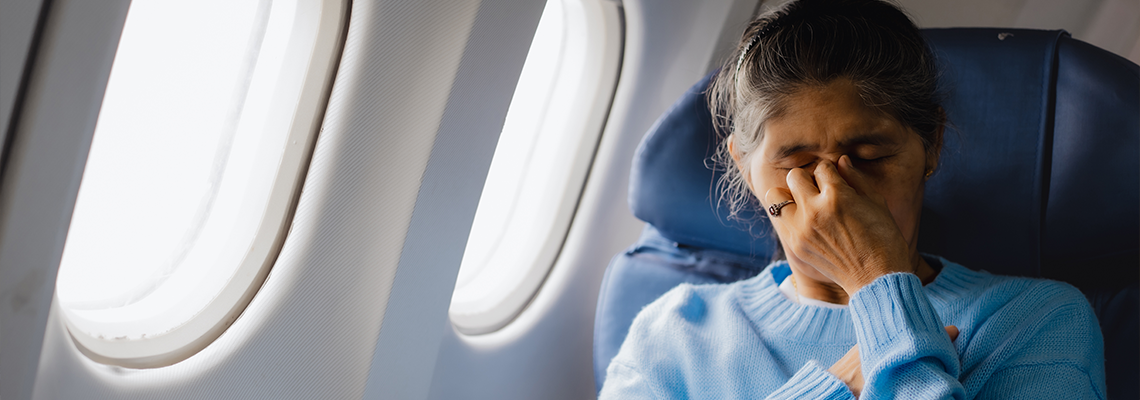
Legal Rights of Passengers After In-Flight Turbulence Injuries
Air travel is generally safe, but turbulence can strike without warning, leaving passengers injured and shaken. Even brief periods of turbulence can result in serious injuries, from bruises and sprains to fractures or head trauma. The experience can be frightening, and the aftermath confusing, with uncertainty about what legal options are available after such incidents.
At Downs, McDonough & Foley, LLC, we’re here to help you understand and protect your rights in these challenging situations. We proudly assist clients in Durango, Colorado, and the surrounding areas, including Pagosa Springs, Cortez, and the Four Corners area, who are dealing with the effects of serious injuries caused by in-flight turbulence. Contact us today to discuss your case and explore your options.
Causes and Risks of Turbulence Injuries
Turbulence injuries occur when an airplane encounters sudden changes in airflow, causing the cabin to shake unpredictably. While pilots and airlines generally take precautions, passengers can still be at risk, especially if they’re not seated with seatbelts fastened or if loose objects are in the cabin. The most common causes of turbulence injuries include:
Clear air turbulence: Sudden changes in jet streams or air currents that are invisible and unexpected.
Storm-related turbulence: Flights through thunderstorms can result in strong, jolting movements.
Mechanical or wake turbulence: Aircraft flying too close together or sudden maneuvers by nearby planes can cause abrupt shifts in motion.
Passengers may not anticipate the severity of these incidents, and even minor turbulence can lead to significant injuries. Recognizing these risks ahead of time can help passengers take precautions, such as keeping seat belts fastened and securing personal items, but it doesn’t change the fact that airlines have a duty of care to protect their travelers.
Types of Injuries From In-Flight Turbulence
In-flight turbulence can result in a range of injuries, some immediately obvious and others that appear days later. Knowing the common injuries helps passengers seek medical attention and document their claims. It’s helpful to review the types of injuries most frequently seen so passengers can recognize and report them promptly. These may include:
Bruises and contusions: Often caused by impact with seats, trays, or overhead bins.
Sprains and strains: Sudden jolts can twist limbs, shoulders, or neck muscles.
Fractures: Severe turbulence can cause broken bones, particularly in the arms, ribs, or collarbone.
Head injuries: Passengers may hit their heads on seatbacks, trays, or other hard surfaces.
Internal injuries: Rare but serious, including internal bleeding or organ trauma from sudden impact.
Being aware of these common injuries allows passengers to seek timely medical care and create an accurate record of the incident. Taking these steps protects health and strengthens any potential legal claims for compensation following turbulence injuries. Working with an experienced personal injury attorney is key.
Legal Responsibility of Airlines
Airlines have a legal duty to provide a reasonably safe travel environment. This includes properly maintaining the aircraft, instructing passengers on safety procedures, and managing risks like turbulence. When passengers suffer injuries due to turbulence, liability may fall on the airline under certain circumstances.
Failure to follow safety procedures: Not instructing passengers to wear seatbelts during known turbulence risks.
Negligent aircraft operation: Flying too fast through storm-prone areas or failing to adjust altitude.
Improper securing of cabin items: Unstable trays, overhead bins, or loose objects can become hazards.
The duty of care airlines owe to passengers doesn’t remove the unpredictable nature of turbulence, but it does set standards. This means passengers can hold airlines accountable when safety measures aren’t properly followed. If injuries result from lapses in safety protocols, passengers may have grounds for a claim.
Steps Passengers Should Take After Turbulence Injuries
If turbulence causes injury, prompt action is critical. These steps help document the incident, support potential claims, and protect passengers’ health. Taking careful steps immediately after an incident can make a big difference in recovery and any potential legal process. Being aware of the proper steps helps passengers avoid mistakes that could weaken a claim.
Seek medical attention: Immediate evaluation for any injuries is important, even if symptoms seem minor.
Report the incident: Notify the flight crew and request a written incident report.
Document everything: Take photos of visible injuries, damaged personal items, and seat or cabin areas.
Collect witness information: Fellow passengers may provide statements supporting your account.
Keep travel records: Boarding passes, flight itineraries, and receipts may be relevant for claims.
Completing these steps thoroughly not only protects a passenger’s immediate well-being but also provides a strong foundation for any claims related to turbulence injuries. Documenting the incident carefully strengthens potential claims against the airline if negligence contributed to turbulence injuries experienced by passengers during a flight.
Potential Compensation for Turbulence Injuries
Passengers who suffer turbulence injuries may be entitled to compensation covering a range of losses. The type and amount depend on the severity of the injury and the circumstances of the flight. Knowing what can be claimed helps guide the process and strengthens any potential legal case. Areas for potential compensation claims include the following:
Medical expenses: Hospital bills, emergency care, and ongoing treatment costs.
Lost wages: Time away from work due to injuries may be recoverable.
Pain and suffering: Compensation for physical pain, emotional distress, or lifestyle impact.
Property damage: Repair or replacement of personal items damaged during turbulence.
Being aware of these potential compensation areas allows passengers to take appropriate steps in documenting expenses and losses. Taking careful notes and keeping records can significantly improve the success of any claim. While compensation can’t undo the trauma of turbulence injuries, it can alleviate financial stress and provide support for recovery.
Speak With a Reputable Personal Injury Attorney Today
In-flight turbulence injuries can occur without warning and have lasting impacts on health, finances, and well-being. If you have experienced these, don’t wait to get help. Taking prompt legal action can make a significant difference in recovery. You may have more options available to you than you realize.
Individuals in Durango, Pagosa Springs, Cortez, and the Four Corners area who have suffered such injuries may be able to seek compensation for medical bills, lost wages, and pain and suffering. At Downs, McDonough & Foley, LLC, we help clients assess claims, gather evidence, and pursue fair outcomes. Reach out to our firm today to schedule a consultation.